 Enzo Audio Visual
How To Prepare Your Commercial Space For Data Cabling Installation in Phoenix
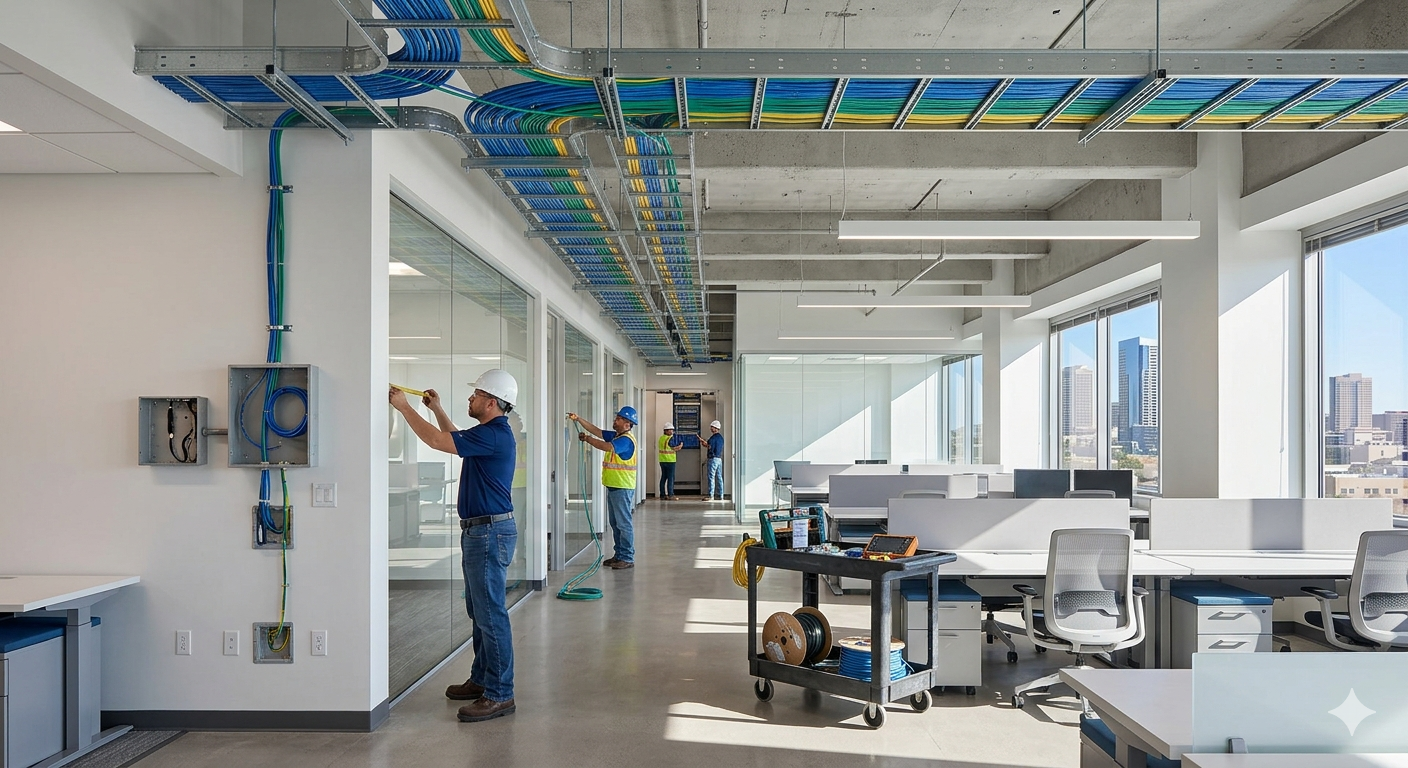
When we work with businesses across Phoenix planning a structured data cabling installation, we consistently see that proper preparation makes the difference between a smooth two-day project and a week-long headache. Over our years installing commercial network cabling throughout the Valley, we’ve learned that facilities that take the time to prepare see fewer delays, reduced costs, and better long-term system performance.
The Phoenix commercial landscape presents unique challenges for structured cabling phoenix projects. From desert heat affecting cable routing through attics to the concrete construction common in our commercial buildings, local factors significantly impact installation timelines and techniques. Whether you’re upgrading an existing office or preparing a new space at Scottsdale Quarter or Downtown Phoenix Convention District, understanding what contractors need before they arrive saves everyone time and money.
Here’s what proper preparation for structured data cabling phoenix installation looks like:
- Clear access to all cable pathways including ceiling spaces, electrical rooms, and wall cavities
- Documented network requirements with specific data drops, equipment locations, and bandwidth needs
- Coordinated scheduling with other trades and minimal disruption to business operations
- Proper permits and approvals secured before installation begins
- Designated workspace for installers with power access and equipment staging areas
Assess Your Space and Document Network Requirements
Before any cable gets pulled, you need a comprehensive understanding of your network infrastructure needs. In our experience installing office network cabling phoenix systems, the most successful projects start with detailed site surveys and clear documentation of requirements. This isn’t just about counting desks and adding data drops.
Walk through your space and identify every location requiring network connectivity. Consider not just current workstations but future expansion, wireless access point placements, security cameras, VoIP phones, and any IoT devices. We typically recommend planning for 20-30% additional capacity beyond immediate needs, especially in growing Phoenix businesses where expansion happens faster than anticipated.
Document the following details for your installer:
- Total number of data drops with exact locations marked on floor plans
- Cable types required (Cat6 for most business applications, Cat6a for higher bandwidth or future-proofing)
- Equipment room locations for network switches, patch panels, and telecommunications equipment
- Power requirements including dedicated circuits for network equipment and PoE considerations
- Special requirements such as shielded cabling for areas with electromagnetic interference
Understanding Cable Pathways and Infrastructure
Phoenix commercial buildings vary dramatically in construction. Older properties near downtown may have limited ceiling space and concrete block walls, while newer facilities at Desert Ridge Marketplace or Chandler Fashion Center typically offer more flexible cable routing options. Your preparation strategy depends heavily on your building’s infrastructure.
Schedule a pre-installation walkthrough with your cabling contractor. We examine ceiling accessibility, identify existing cable trays or conduit, locate potential obstacles like HVAC ductwork, and determine whether walls allow for vertical cable runs. This assessment prevents surprises on installation day that could derail your timeline.
“The buildings we work with in Phoenix’s commercial districts present everything from modern suspended ceilings with ample plenum space to older structures requiring creative routing solutions. Knowing what you’re working with before installation day determines whether a project takes two days or two weeks.” – Enzo Audio Visual installation team
Clear Physical Access and Coordinate with Building Management
Physical access problems cause more installation delays than any other factor in commercial network cabling phoenix projects. Locked electrical rooms, blocked ceiling access points, and occupied spaces prevent installers from completing their work efficiently. We’ve seen projects at locations like Scottsdale Fashion Square delayed by days because proper access wasn’t secured in advance.
Coordinate with your building management or landlord at least two weeks before installation. Secure keys or access codes for all relevant spaces including electrical rooms, telecommunications closets, roof access (if exterior cable runs are needed), and any locked ceiling areas. If your space shares infrastructure with other tenants, notify building management about the installation timeline and any potential impacts.
Preparing Work Areas
Professional cat6 cabling installation phoenix requires space for equipment, tools, and cable spools. Designate a staging area near your main equipment room where installers can set up. This area needs power outlets, protection from weather (particularly important during Phoenix summers), and enough clearance for 500 or 1000-foot cable spools.
Clear the installation path throughout your facility:
- Remove ceiling tiles along planned cable routes or ensure they’re easily accessible
- Clear furniture and equipment from areas where drops will be installed
- Relocate stored items from electrical rooms and telecommunications closets
- Protect sensitive equipment from dust and debris that cable installation generates
- Move obstructions blocking access to walls where outlets will be mounted
Handle Permits, Approvals, and Code Requirements
Phoenix and surrounding municipalities have specific requirements for low voltage cabling phoenix installations in commercial spaces. While low-voltage work often doesn’t require the same permitting as electrical work, commercial installations typically need inspections to ensure compliance with fire codes, building codes, and telecommunications standards.
Your contractor should handle permit applications, but you’re responsible for providing necessary building information and coordinating with landlords for approval. Commercial spaces in mixed-use developments like CityScape Phoenix or Westgate Entertainment District often have additional requirements from property management regarding installation methods and approved contractors.
Verify these requirements at least three weeks before your scheduled installation:
- Local permits for commercial telecommunications installations
- Building owner approvals for any penetrations or permanent modifications
- Fire marshal requirements for plenum-rated cabling in air handling spaces
- Insurance certificates if required by your lease or building management
- Access scheduling for any shared building infrastructure
Understanding Plenum Requirements
Phoenix commercial buildings with suspended ceilings used for air circulation require plenum-rated cable. This fire-resistant cable costs 30-40% more than standard cable but meets strict fire safety codes. Your installer needs to know before ordering materials whether your ceiling spaces qualify as plenum areas, which affects both material costs and installation timelines.
Building inspectors in Phoenix take plenum requirements seriously. Using non-plenum cable in plenum spaces results in failed inspections and complete cable replacement, potentially adding thousands of dollars and weeks to your project timeline.
Schedule Around Business Operations
Strategic scheduling minimizes disruption to your business operations during business network cabling phoenix installation. We’ve completed installations during business hours in occupied offices, but the process goes much faster and smoother when spaces are empty or during off-hours.
Consider these scheduling approaches based on your business needs:
- Weekend installations eliminate employee disruption but may incur overtime charges from contractors
- After-hours work keeps your business operational but requires building access outside normal hours
- Phased installations allow section-by-section completion with minimal impact on any single area
- During remodels or relocations provides the ideal scenario with empty spaces and concurrent construction
Communicate your installation schedule to all affected employees at least one week in advance. Let them know which areas will be impacted, expected noise levels, and any temporary loss of network connectivity. For retail or customer-facing businesses at locations like Tempe Marketplace or Biltmore Fashion Park, schedule installations during closed hours to avoid customer disruption.
Prepare Your Existing Network Infrastructure
If you’re adding to or replacing existing structured cabling phoenix infrastructure, preparation includes documenting and potentially decommissioning old systems. We frequently encounter commercial spaces where previous installations were never properly labeled or documented, creating confusion during upgrades.
Before your installation team arrives, create documentation of your current network:
- Photograph existing patch panel configurations so they can be replicated after upgrades
- Label all active cables if they aren’t already marked with destinations
- Identify obsolete cabling that should be removed rather than left in place
- Document switch configurations so network settings can be restored quickly
- Back up critical data before any network equipment disconnection
Planning for Network Downtime
Even well-planned installations require some network downtime when connecting new infrastructure to existing systems. Work with your IT staff or managed service provider to determine the best window for this transition. Phoenix businesses operating across multiple time zones or with 24/7 operations need particularly careful planning to minimize impact.
Schedule downtime during your lowest-activity periods. For most offices, this means weekend mornings. For retail operations at centers like Arizona Mills Mall or SanTan Village, very early mornings before opening provide the best windows. Budget at least 2-4 hours for the final switchover even if your installer is highly efficient.
Common Mistakes That Delay Commercial Cabling Projects
Over years of ethernet cabling installation phoenix projects, we’ve identified recurring mistakes that extend timelines and increase costs. Learning from others’ experiences helps you avoid these pitfalls.
Underestimating cable quantities and drop locations. Many businesses count only current workstations without considering conference rooms, break rooms, wireless access points, and future expansion. We typically see requests for additional drops halfway through projects, which requires new materials orders and scheduling delays. Plan for 20-30% more drops than your immediate count suggests.
Failing to coordinate with other trades. HVAC contractors, electricians, and general contractors often need the same ceiling and wall spaces. When trades aren’t coordinated, you end up with schedule conflicts and completed work being undone. If you’re part of a larger renovation, ensure your project manager integrates cabling installation into the master schedule.
Ignoring environmental factors in Phoenix commercial spaces. Attic temperatures in Phoenix regularly exceed 140°F during summer months. Cable installed in these extreme conditions requires different techniques and materials than standard installations. Installers also need early morning or evening scheduling during peak summer to safely work in these environments.
Not preparing adequate power infrastructure. Modern structured wiring installation phoenix projects include network equipment requiring dedicated circuits and often uninterruptible power supplies. Discovering power inadequacies during installation creates costly delays while electricians add circuits. Your electrical infrastructure assessment should happen during the planning phase, not installation day.
Choosing the lowest bid without verifying experience. Commercial cabling in Phoenix’s diverse building stock requires experience with everything from historic downtown structures to modern tilt-up warehouses. Contractors unfamiliar with local building types, code requirements, or Phoenix’s unique challenges deliver subpar results. Projects requiring corrective work after inadequate initial installation can cost 50-70% more than doing it right the first time.
Professional Network Cabling Installation in Phoenix
While understanding preparation requirements helps facilities managers and business owners plan effectively, professional installation ensures your structured data cabling phoenix system meets current standards and future needs. Enzo Audio Visual has provided structured cabling phoenix installation services throughout the Phoenix Metropolitan area since 2011.
Our team brings specialized expertise in commercial environments ranging from small offices to large-scale facilities at locations like Mesa Riverview and Kierland Commons. We’re familiar with the building codes, permitting requirements, and construction methods common throughout Phoenix, Tempe, Scottsdale, and surrounding communities. This local knowledge translates to more accurate project estimates, faster installations, and systems designed for Arizona’s unique commercial landscape.
Professional installation provides certified cable testing and documentation that DIY or inexperienced contractors can’t match. We test every cable run with specialized equipment ensuring it meets TIA/EIA standards for your specified category (Cat6, Cat6a, etc.). This documentation proves valuable for insurance purposes, future troubleshooting, and system expansions. It also prevents the frustrating intermittent connectivity issues caused by marginal cable installations that pass casual inspection but fail under load.
Our experience with integrated systems gives us perspective beyond just pulling cable. We understand how your cabling infrastructure supports VoIP phone systems, wireless networks, security cameras, and digital signage. This holistic view during the planning phase helps businesses avoid costly mistakes like insufficient cable types for PoE requirements or inadequate backbone cabling for future bandwidth needs.
Conclusion: Setting Your Project Up for Success
Proper preparation transforms structured data cabling installation from a disruptive, uncertain process into a smooth, predictable project. The businesses we work with that invest time in thorough planning consistently experience shorter installation timelines, fewer surprises, and better long-term system performance. Whether you’re preparing a new office space or upgrading existing infrastructure, the preparation steps outlined here apply across Phoenix’s diverse commercial real estate landscape.
Start your preparation at least 4-6 weeks before your desired installation date. This timeline allows for necessary permits, materials ordering, coordination with building management, and scheduling around your business operations. The larger and more complex your installation, the more lead time you need for thorough preparation.
“The most successful commercial cabling projects share one common factor: clients who understand their requirements and prepare their spaces accordingly. When businesses take preparation seriously, everyone benefits through faster installations, better results, and systems that perform reliably for years.” – Enzo Audio Visual project management team
Enzo Audio Visual specializes in commercial data cabling throughout Phoenix and the surrounding metropolitan area. Our team handles everything from initial site surveys and network planning through installation, testing, and documentation. We work with businesses of all sizes to design scalable network infrastructure that supports current operations and future growth.
Contact us today for a consultation about your commercial network cabling phoenix project and discover how proper planning and professional installation create the reliable network infrastructure your business depends on.