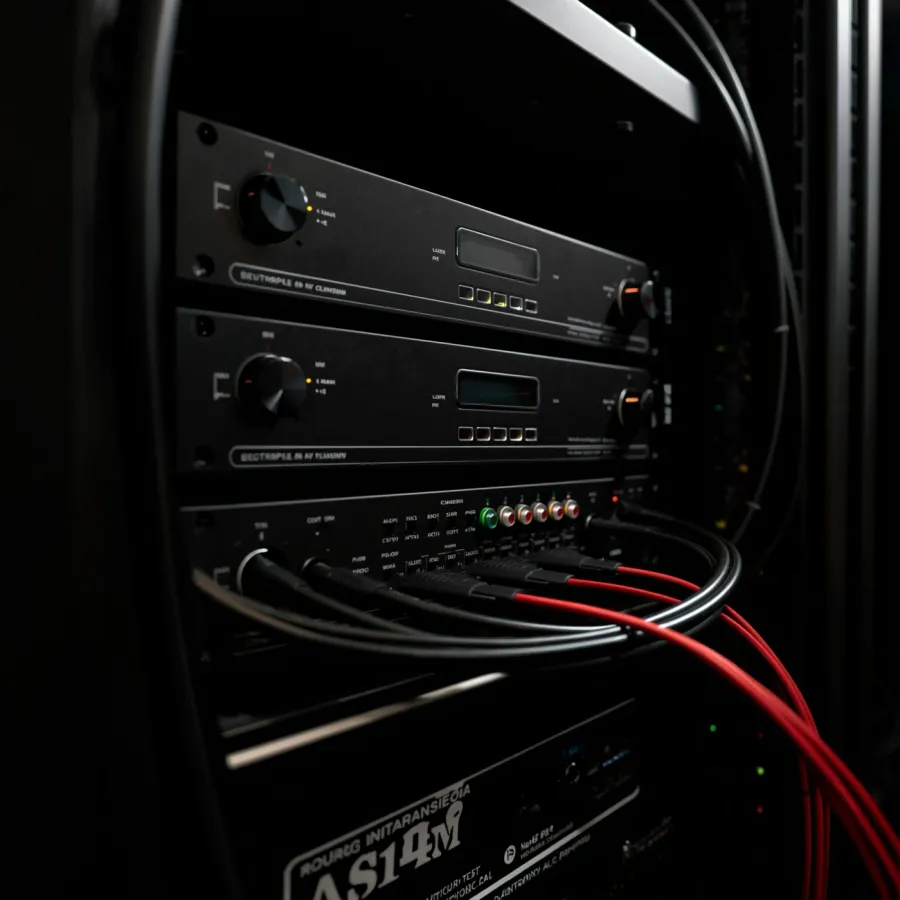
What to know about fiber optic installation in Gilbert
Digging for buried fiber starts with a call
Arizona law says no one may excavate in a public street, alley, right-of-way or utility easement before finding where underground facilities are. Operators must mark within two working days of the inquiry, and markings are valid for 15 working days. A large project must notify the one-call center at least 15 business days or 21 calendar days before it starts. Fiber that crosses a drive or runs between buildings gets trenching in the schedule.
Street work in Gilbert is under way
The Guadalupe Road and McQueen Road intersection project began the week of August 31, 2026. It takes about 11 months and includes relocating SRP electric and irrigation lines. Gilbert's $515 million voter-approved Transportation Bond funds projects like it. When we can, buried fiber routes avoid active work zones.
Provider offers vary by address
CenturyLink's Gilbert page lists some wireless internet that needs no phone or cable lines. Cox Business advertises Gilbert service with 24/7 IT support and a 4-hour service level agreement. Neither page confirms coverage at a specific address, so we check availability for your building.
Source: Cox Business, Gilbert
Codes in force today
Cable and conduit routes follow the 2018 IBC and the 2017 NEC, which Gilbert's code table lists as effective January 1, 2020.
When fiber beats copper
Cat6 stops at 100 meters. Fiber carries data much farther at very high speeds and shrugs off electrical noise and lightning on the line. That puts it in four places: between buildings on a campus, between floors or closets too far apart for copper, from your rack to your internet provider's handoff, and in the backbone linking switches.
Single-mode or multimode
Multimode costs less and suits runs inside a building or between nearby buildings. Single-mode costs more per optic, carries data farther, and fits longer runs and anything you plan to keep upgrading. We choose by distance and by the speed you need now and later.
- Indoor and outdoor cable are different products. Outdoor runs use cable rated for sun, moisture and temperature swings.
- Underground runs go in conduit, so a future cable can be pulled without digging.
- Connectors and optics have to match at both ends, so we plan both ends together.
Splicing, termination and testing
We join fiber by fusion splicing or terminate it with connectors. Then we test with a light source and power meter, adding an OTDR on longer runs. The results show loss at every connection, so a bad splice shows up on the test sheet and not as a mystery slowdown months later. You receive the results with the labeled panels.
Fiber between Gilbert buildings
A big site like Rivulon, the 300-acre development along the Santan Loop 202, can put several buildings on one property. Warehouses and medical campuses share the problem: a building at the back of the lot has to reach the rack in front.
If the run crosses a public street, alley or utility easement, Arizona's excavation rule applies and we plan around the marking schedule. A run across your own property still means locating your own lines before we dig.
Route, conduit and handoff
- We walk the route and plan conduit, trenching and building entry points.
- The quote names the fiber type, the optics and the testing.
- We install the conduit and cable, then splice or terminate.
- You get test results, labels and documentation.
- Service runs Monday to Friday, 8 AM to 5 PM.
Often paired with
Fiber usually ends in a rack of structured data cabling. It also feeds business WiFi and backup internet at remote buildings. The Gilbert page covers the rest of our work here.